
Embracing Your Unique Strengths
You Don’t Have to Be the Smartest: Embrace Your Unique Strengths as a Homeschooling Parent
I don’t do well thinking or answering on the spot; my verbal delivery is not as eloquent as my writing. Yet, time and time again, I’ve stood out as a guiding example in team dynamics. How?
I’m not the smartest or most experienced on paper. This isn’t negative self-talk—it’s factual. As a work-from-home parent who also homeschools, balancing work and homeschool routines, I’ve realized my differentiator: I come prepared. I take the time to know my stuff, stay organized, and keep up with experts in conversation, filling in gaps while managing both work and homeschool routines. Preparation and presence make all the difference.
We often confuse “smartest” with most articulate, most technical, or most experienced. But workplaces need more than sharp intellect—they need grounded thinkers, quiet leaders, active listeners, and those who bring calm clarity in a swirl of ideas.
The moment I stopped trying to be like the coworker I most admired and started owning what I naturally bring to a team, my impact deepened.
Be yourself; everyone else is already taken.
– Oscar Wilde
The good things people say about you? Believe them.

At one point, I had a manager I deeply respected tell me that I grounded conversations. To this day, it remains one of the greatest compliments I’ve received. It confirmed something I had come to suspect about my presence in team settings—that while I may not be the most technically savvy or the most experienced person in the room, I bring a unique and necessary value.
I help teams stay anchored to the purpose of the meeting. Often, when you gather brilliant minds, conversations can drift—sometimes into interesting or valid tangents that don’t actually help solve the problem at hand. My strength lies in gently steering the discussion back to the objective, helping the group stay aligned on what really matters within the time we have.
Another time, a good friend reassure me right before an internal interview for a new role. I had spent days preparing a detailed presentation and felt confident—until I learned that someone else, someone I perceived as having a leg up, was also in the running. She came across as polished, experienced, and possibly had an existing relationship with the hiring manager.
Only one person would be selected, and in that moment, I felt crushed.
On paper, I lacked the traditional prerequisites and qualifications for the role. What I did have was a deep passion and an instinctive knack for the skills required—and a track record of showing up prepared, grounded, and focused on solutions.
“I know she hasn’t prepared like you have,” my friend said.
These words have stayed with me. They play in my head whenever I feel ill-qualified or doubtful about making a good impression.
And you know what? It’s true. Preparation makes a difference. The ability to cut through the noise and solve problems is invaluable, and those who take the time to do so stand out.
While I’m not the smartest, most qualified, or most experienced, I trust that I can take on challenges and make a real impact.
Own What Makes You Different—Even if It’s Not Flashy
Some strengths are immediately visible—like charisma, quick thinking, or technical prowess. Others are quiet but just as powerful—like consistency, emotional intelligence, or clear-eyed preparation. Just because your strengths don’t shout doesn’t mean they don’t matter.
In fact, in the long run, those “quiet strengths” often build the strongest trust and the most enduring influence.
I 100% used to brush off compliments like “you always help us stay on track” as just being organized. But over time, I realized that anchoring conversations isn’t just helpful—it’s a core leadership strength.
Tips for Getting Ahead When You’re Not the Smartest, Most Qualified, or Most Experienced
Utilize Existing Resources to Work Smarter While Homeschooling
You don’t need to have all the answers. Use what’s already available to you—whether that’s documentation, internal materials, search engines, or tools like ChatGPT.
And if a resource doesn’t exist, create one. Start with an FAQ based on real questions you’ve had about a process, product, or system. Add answers as you go, including the kind of context others might overlook. I’ve seen something as simple as this get picked up, branded, and shared company-wide. One even ended up being shared externally with customers.
Seriously, that’s not just resourcefulness—that’s leadership.
Engage With Experts to Grow Your Skills and Confidence
Put yourself out there and talk with subject matter experts. Ask questions, pause them when needed, and repeat back what they’ve said in your own words to confirm your understanding. Don’t be afraid to say, “Hold on while I write that down.”
In my experience, experts really appreciate that level of intentional listening. Taking the time to capture their insight word for word shows that you value what they’re saying.
Some of the people I’ve asked for help have become go-to resources and even informal mentors. You build your skill set and professional relationships. That’s a win-win.
Apply Practical Experience to Build Knowledge and Influence
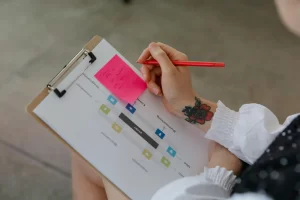
If applicable, try the process out for yourself. Talking pen and paper here—write down flaws in the system or process that you catch and share your findings. Don’t be afraid to get recognition for having an eye for details! Being able to identify inefficiencies and suggest improvements is a skill that sets you apart.
Hands-on experience builds your confidence and helps you understand what really works. Your feedback becomes more specific, more useful, and more respected.
Gather Insights From Colleagues to Strengthen Your Work and Homeschool Balance

Talk to others on the job to gain their input on pain points and highlights of the process. Soon, you’ll be an expert not only on the process but also on those random “when this happens, try this” scenarios. Over time, this positions you as a go-to person for insights, setting you up to be recognized as a SME in your field.
And as people open up, you become a connection point between the team and leadership—someone who can reflect both the systems and the people using them. That kind of trust is a huge factor in building influence (i.e., being a leader) in the workplace.
Share Your Work in Progress—Collaboration Over Perfection
Still learning this myself—but get comfortable sharing drafts. It shows you’re collaborative. And great work rarely happens in isolation. Tap into the brilliance of your team, get feedback early, and remove the pressure to be perfect.
Work smarter, not harder.
Notice Patterns in Feedback
If three or more people say something kind and specific about how you show up—it’s not just a compliment. It’s data. Write it down. That’s a clue to your strengths (and good material to document in a professional brag book – a little trick I wish I knew about back when I had an unpleasant performance review).
Show Your Strengths Through Action, Not Just Words
So how do you get yourself noticed for those valuable (albeit quiet) contributions at work? Consider this: Instead of saying “I’m a good listener,” say, “My ability to listen helped us uncover root issues with <insert topic> before they escalated.” Tie your value to real results so others can clearly understand your impact.
How to Identify Your Unique Strengths for Professional and Personal Growth
If you’re not a bold speaker, that’s okay! You can lead with insight in writing, through chat, or in smaller settings where you feel more at ease. Sharing ideas in a way that feels authentic is more powerful than trying to fit a mold.
Owning your strengths doesn’t mean performing them loudly—it means putting them to work in ways that move your team forward.
- Think of moments when you felt “in the zone” at work—what were you doing?
- Ask yourself: What’s easy for me but hard for others?
- Reflect on compliments you tend to dismiss.
Tools to thrive while homeschooling and working from home
Try tools like CliftonStrengths or VIA Strengths Survey to get language around your strengths:
- CliftonStrengths (formerly StrengthsFinder) is a research-backed self-assessment created by Gallup. It measures 34 potential “talent themes” like Strategic, Responsibility, Developer, or Harmony—and ranks them by how naturally they show up in you.
- Time to complete: About 30–45 minutes
- Format: Online survey with situational and self-reflection prompts
- Purpose: Helps professionals discover how they naturally think, feel, and behave—and how to aim those strengths toward success in work and life
- Cost: Starts at ~$20 for your Top 5 strengths, or ~$60 for your full 34
- VIA Strengths Survey is a free, science-based tool developed by positive psychology researchers to identify your character strengths—like Gratitude, Curiosity, Fairness, or Perseverance.
- Time to complete: About 10–15 minutes
- Format: Online questionnaire with statements you rate on how true they are for you
- Purpose: Great for understanding how your values and personality traits shape the way you lead, connect, and contribute
- Cost: Free (with optional paid report for deeper insight)
Both assessments are surveys—but they focus on different types of strengths:
- CliftonStrengths is geared more toward professional success and team roles, while
- VIA focuses on your inner character traits and values.
If you feel stuck trying to name your strengths—or want language to advocate for yourself more confidently—either one can be a great place to start.
Here’s the Truth About Balancing Work, Homeschooling, and Life
We’re all out here doing the best we can to move forward in our careers and feel good about the work we’re doing. But that doesn’t mean that, as individuals, we need to have all the answers. As a mom of three who homeschools, works full-time, and manages an autoimmune disease, I’ll be the first to say- there’s only so much space in my brain to know all the things.
It’s about knowing where to focus, utilizing the resources available, and leaning on those around you. It’s not about perfection—it’s about progress.
What About You? Reflect on Your Strengths and Growth
What’s one strength you used to overlook in yourself—but now recognize as valuable? Or, what strategy has helped you grow professionally even when you felt underqualified?
I’d love to hear your experience. Let’s normalize showing up with the strengths we already have.