
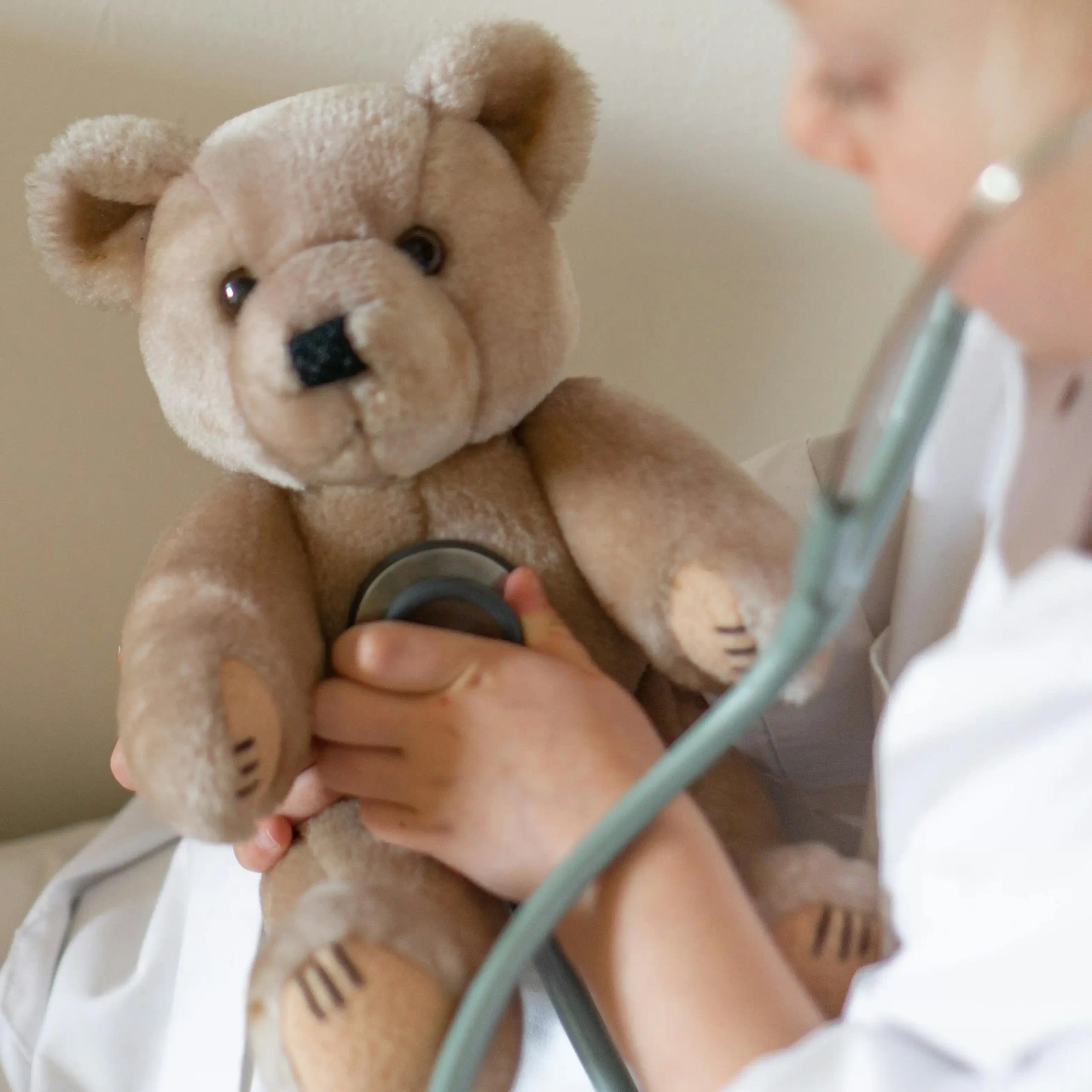
Teaching Young Kids About Their Bodies: A Gentle Homeschool Lesson on Body Awareness and Health
As a homeschooling mom who also works from home, I’ve found that some of the best lessons happen outside of a textbook — especially when it comes to teaching kids about their bodies. My children have tagged along to doctor’s visits, watched my belly grow during pregnancy, and asked questions that led to incredible learning moments about how the body works. In this post, I’m sharing how we approach teaching young kids about their bodies at home through age-appropriate lessons that spark curiosity, confidence, and self-awareness — whether you homeschool full-time or simply want to nurture body awareness at home.
Why Body Awareness Matters in Homeschooling
Today after returning from a routine thyroid appointment, I found myself reflecting on how involved my kids have been in my health journey over the years. From tagging along to bloodwork visits to sitting quietly through most of my prenatal appointments during my last pregnancy, they’ve seen so many aspects of how the human body works in real life. And honestly, I love that. It’s sparked some of our best conversations about bodies, health, and how we take care of ourselves (if you’re curious, I’ve written more about my thyroid journey HERE).
Just a few weeks ago, I was chatting with someone expecting her first baby, and we started talking about the umbilical cord. I hesitated for a moment, second-guessing how clearly I remembered the details. But before I could answer, my oldest—who had clearly been eavesdropping—ran downstairs shouting, “I’m getting my My Body book!” Sure enough, she came back and flipped straight to the page in her Dr. Seuss book showing exactly how the umbilical cord works. I was so impressed. Major proud mom moment!
All of that got me thinking—it’s worth writing down what we’ve been learning together. If you’re teaching young kids about their bodies at home too, I hope this post gives you some ideas, structure, and encouragement along the way.
Making the Body Less of a Mystery, and More of a Marvel
Young kids are naturally curious—especially about their own bodies. From wondering where their food goes to asking, “Why can I hear your heart but not mine?” it’s the perfect time to start simple, age-appropriate lessons that help them understand and appreciate their bodies.
In our family, body awareness is more than just an educational theme—it’s personal. I live with Graves’ disease, an autoimmune thyroid condition, and my children often come with me to lab work and doctor’s appointments. Instead of shielding them from the experience, I use it as a way to teach them about what the body does—and how we take care of it.
And when I was pregnant with their baby brother, it gave us even more reason to talk about how the body works—especially the incredible things a woman’s body can do. From feeling him kick to watching my belly grow, my girls experienced pregnancy up close and asked all kinds of questions that sparked meaningful learning moments.
In this post, we’ll explore some fun, interactive ways to teach body awareness to kids ages 2 to 6, with learning objectives and outcomes that align with early childhood anatomy homeschooling goals. (If you’re new to using learning objectives in your homeschool or daily parenting, check out my post: Clarify Learning Objectives and Track Progress.
Homeschool Learning Objectives for Early Anatomy Lessons
By the end of these activities, your child will be able to:
- Identify key body parts (heart, lungs, muscles, bones, stomach, and thyroid) and their basic functions.
- Demonstrate awareness of internal body cues (e.g., hunger, heartbeat, breathing).
- Begin to use descriptive language to talk about their body and health.
Expected Learning Outcomes
After these lessons, your child will be able to:
- Recognize and name 3–5 body parts.
- Engage in simple observation-based activities (e.g., feeling heartbeat, taking a deep breath).
- Verbally share how they feel in their body (e.g., “I’m hungry,” “My heart is beating fast!”).
Fun and Simple Ways to Explore Body Parts with Young Kids
The Heart: The Beat That Keeps Going
(Place hand over chest → jump or dance → feel the difference)
Say: “The heart is like a drum that never stops. It helps move blood all around your body.”
The Lungs: The Breathing Balloons
(Take deep breaths → blow feathers or tissues → smell something sweet)
Say: “Your lungs help you breathe in air and blow it back out. When you run, they work faster!”
The Stomach: Your Body’s Kitchen
(Talk about hunger → listen after meals)
Say: “The stomach is where your food goes to get broken down into energy.”
Muscles: Your Movers and Lifters
(Squeeze fists → lift objects → feel biceps)
Say: “Muscles help you move—when you walk, run, even when you smile!”
Bones: The Frame That Holds Us Up
(Tap knuckles or arms → ask what they feel)
Say: “Bones keep you standing tall and protect the soft parts inside you.”
Special Focus: The Thyroid – The Tiny Boss in Your Neck
(Gently feel neck → talk about doctor visits)
Say: “There’s a little boss in your neck called the thyroid. It tells your body how fast or slow to go—like a remote control. Mommy goes to the doctor to check if her thyroid is working just right.”
A Note on Wonder: The Beautiful Story Inside Every Body
As a mother of two daughters and now a baby boy, one of the greatest joys I’ve had is sharing the wonder of how our bodies work—not just to keep us alive, but to create life, too.
My daughters watched my belly grow as we waited for their baby brother. They felt him kick, asked questions, and placed their hands on my belly like it was the most natural thing in the world. Those months were a beautiful opportunity to show them what a woman’s body is capable of—and how much respect and awe it deserves.
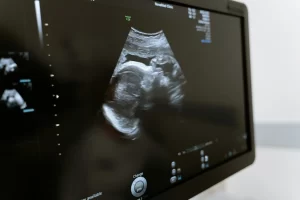
But this isn’t just a message for daughters. I want all of my children to grow up appreciating the power, complexity, and beauty of the human body, especially women’s bodies. Teaching them early, in ways that are age-appropriate and rooted in real life, plants seeds of empathy, curiosity, and gratitude that I hope will last a lifetime.
Bring It All Together with Interactive Tools
- Use a mirror for naming body parts.
- Draw a simple outline of a person and label it together.
- Play “Simon Says” with body parts.
- Talk about how the body feels during everyday routines.
Free Printable: “My Amazing Body – A Beginner’s Guide for Kids”
Includes:
- Child-friendly body outline (with space to color)
- Simple body part definitions
- 3 hands-on activities
- Space for “How does my body feel today?”
Final Thoughts: Raising Confident, Body-Aware Kids at Home
Helping your child understand their body builds not only vocabulary—but confidence, empathy, and lifelong awareness. Whether you’re teaching them to find their heartbeat or helping them understand the thyroid, the goal is the same: to raise curious, empowered kids who see their bodies as something to care for—and marvel at.
Have you been surprised by your child’s knowledge of their body and how it works? Would love to hear!