
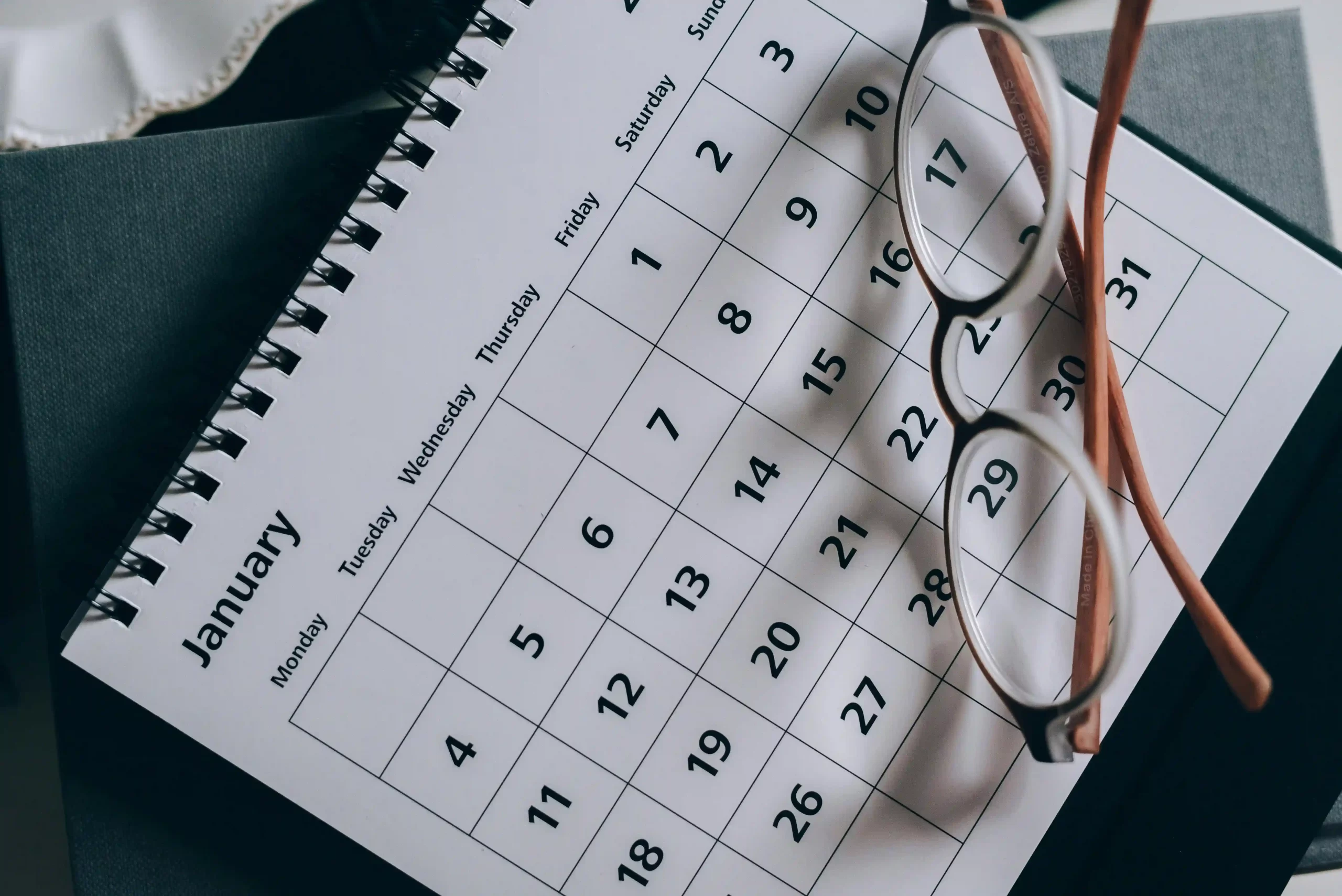
Staying Organized While Juggling a Career and Homeschooling
This post may contain affiliate links. Please read our full disclosure HERE.
Staying Organized While Homeschooling and Working from Home
If you’re a parent juggling homeschooling, a career, or both, you’ve probably heard, “Wow, you’ve got your hands full!” And yes — we do. But staying organized isn’t about being naturally good at juggling everything.
It’s about being intentional and putting systems in place that reduce stress, protect your mental bandwidth, and help you stay focused on what matters.
Parents who homeschool while working from home face constant mental load, but small, repeatable routines and tools can transform chaos into calm. From calendars to daily lists, here’s how I keep my family and work life organized — without losing my sanity.
What Being Organized Really Means for Homeschooling Parents
Being organized isn’t about perfection or color-coded spreadsheets. It’s about creating more freedom to be present, to rest, and to enjoy moments with your kids without distraction.
For parents balancing homeschooling and work, organization means:
- Having rhythm and predictability without rigidity
- Margin to enjoy small joys, like reading or spontaneous play
- Systems that reduce the cognitive load of remembering everything
Because let’s be real: our brains are already doing a lot.
According to researchers at Queen’s University, the average person has around 6,000 thoughts per day — that’s one every 10 seconds while you’re awake.
And even though it can feel like we’re tracking 17 different things at once, science shows our working memory only holds about 4 pieces of information at a time.
So if you feel like you’re constantly dropping the ball, it’s not a personal flaw. Your brain was never built to carry it all.
Below are the practical tools and routines that help me stay organized, not just as an individual, but alongside my husband as a team. These are small things we do every day, week, and month to stay connected, keep our household running, and show up fully for our three little ones.
1. The Magnetic Refrigerator Calendar: Monthly Planning for Homeschool and Work
A simple, magnetic dry-erase calendar on the fridge has become our family’s anchor. At the start of every month, my husband and I fill it with everything we know is coming up:
- Homeschool schedules
- Doctor appointments
- Birthdays and social events
- Extracurricular activities
and anything else that’s already on the horizon.
Of course, last-minute things pop up (because life happens), but having a shared “command center” right on the fridge means that we can both see at a glance what’s happening and plan accordingly.
No one feels like they’re operating in the dark, and it cuts down on double-booking ourselves or scrambling at the last minute.
Especially when you’re managing school schedules, work deadlines, toddler activities, and family events, having a visible monthly overview is invaluable.
When your brain is already juggling thousands of thoughts a day, being able to see what’s ahead gives you a sense of calm and clarity that no mental list ever could.
2. Shared Notes on Our Phones: Real-Time Lists for Busy Families
Shared notes on iPhones help us manage grocery lists and small chores efficiently. Examples include:
- A “Quick Chores” list of 2-5 minute tasks we can do before the kids wake up in the morning, in between work meetings or while waiting for the kids to get dressed (2–5 minute tasks fold laundry, unload the dishwasher, declutter car)
- A grocery list we update in real time
These may seem small, but this system helps us to gradually chip away at the daily clutter — without needing a full-on deep-cleaning session every day.
3. The Clock App: Time-Sensitive Tasks Made Simple
While a lot of people rely on dedicated reminder apps, one of my favorite tools is actually the Clock app — the same app you use to set alarms for waking up! This is my secret weapon for time-sensitive tasks, such as:
- Leave-by reminders
- Pumping breast milk schedules
- Quick homeschooling breaks
The Clock app lets me set alarms for specific tasks, and the snooze feature is the real hero.
For example, if we need to leave by noon, I’ll set an 11:40 AM alarm to remind me to grab a bag of frozen breast milk from the freezer. If I’m tied up, I snooze it, and it reminds me again in 10 minutes.
In a house full of little people and constant interruptions, these alarms are lifesavers!
In fact, people forget 56% of new information within an hour and up to 75% within a day, according to research behind the Ebbinghaus Forgetting Curve. That’s why I don’t rely on memory alone — I use alarms as a safety net for my brain!

Bonus Tip: If plans shift, it’s super easy to adjust the alarm time or set multiple alarms to layer reminders as needed. I love that flexibility when juggling work calls, homeschooling activities, and getting everyone out the door on time.
4. Calendar App: The “Second Brain” for Busy Parents
Between work meetings, homeschooling activities, and doctor appointments (especially for managing my thyroid condition — you can read more about that here, my personal calendar app is a critical piece of the puzzle.
When I schedule a doctor’s appointment, for example, I immediately add it to my phone calendar and set two reminders:
- One for the day before (so I don’t accidentally make other plans)
- One for two hours before the appointment on the day of (to give me time to pump milk, organize the kids’ needs, and get out the door without stress)
Appointments are often made months in advance, and the biggest lie I could tell myself is, “Oh, I’ll remember.”
Using a calendar app ensures nothing slips through the cracks, giving parents mental clarity while juggling multiple responsibilities.
5. Daily To-Do Lists: Keeping Tasks Visible
Every morning, I create daily lists for both work and personal life:
At the start of my workday, I open a draft email in my inbox and jot down what I hope to accomplish. It helps me think clearly and prioritize. I don’t send it (except to myself at the end of each work day so it’s there in my inbox to pick back up with the following day) — and it serves as my running plan for the day.
On the personal side, I do the same thing in the Notes app on my phone. I create a note, list what’s on my mind (errands, reminders, little things I don’t want to forget), and then pin the note so it stays front and center that day. I later go back and unpin and often delete the note once everything has been accomplished from the list.
Some days I knock everything out. Other days, things spill into the next. And that’s okay.
Not every task gets completed daily, and that’s okay. The goal is to be realistic that I cannot remember it all.
6. Communication Is Key: Sharing the Mental Load
Finally, the biggest piece of staying organized with a career, homeschooling, and family life is constant communication.
Together, my husband and I:
- Update the fridge calendar together
- Maintain shared lists
- Communicate schedule changes proactively
Staying organized requires both of us being active participants.

Some weeks are still chaotic. Some days the plans change. And we certainly don’t do a perfect job with communication 100% of the time. And that’s okay!
Having these systems in place gives us flexibility and a safety net that helps us stay afloat.
Quick Recap: 6 Systems to Stay Organized While Homeschooling and Working
Here’s a fast summary of the habits and tools that keep our family grounded, even on the busiest days:
- Fridge Calendar – A magnetic dry-erase calendar gives us a shared monthly view of what’s ahead.
- Shared Notes App – Running lists for groceries and quick chores make everyday tasks feel lighter.
- Clock App Alarms – I use alarms (and snooze!) to stay on top of time-sensitive tasks and transitions.
- Phone Calendar + Reminders – Events get added immediately, with reminders so nothing slips through.
- Daily To-Do Lists – A work draft email + a pinned phone note keep my brain clear and my tasks visible.
- Intentional Communication – My husband and I check in daily to share the mental load together.
These tools help me trade mental clutter for calm, so I can pass along that collectedness to my family.
Final Thoughts
Parents who homeschool while working full-time face unique challenges. With simple systems and intentional habits, even the busiest days can feel manageable.
Maybe that means you can finally sit down and watch a show without multitasking.
Maybe it’s reading a book without your mind racing through tomorrow’s to-do list.
Or maybe it’s saying yes to a spontaneous outing — because you know what the rest of your day looks like.
These organization hacks allow our family the freedom to enjoy my life and not just manage it.