
Teaching Photosynthesis Between Zoom Calls and Snack Time
Why We’ve Included Gardening Into Our Homeschool Curriculum
Let me start by saying this: I did not lead this lesson.
Gardening has always been something I knew I wanted to include in our homeschool curriculum. It checks all the boxes—hands-on learning, a connection to nature, a built-in science lesson. The only catch? I have absolutely zero talent, knowledge, or confidence when it comes to growing things.
Luckily, my husband does. He grew up learning how to plant, grow, and care for all kinds of plants and trees, and he’s the kind of person who actually enjoys it. So when the opportunity came up for a spontaneous gardening moment, I gladly handed it over to him.
But I did get to observe the whole thing (with a smile, coffee in hand), and I got to see how much our girls learned—and how much fun they had—through something so simple and ordinary as planting a mango pit left over from breakfast.
A Mango, a Paper Towel, and a Little Bit of Science
Instead of tossing the mango seed, my husband turned it into a teachable moment. He showed the girls how to germinate the seed by wrapping it in a damp paper towel, placing it in a plastic bag, and tucking it away in a warm, dark corner of our pantry. The girls were all in—watching, asking questions, and helping as much as they could.
About a week later, the seed had sprouted (picture below!). They planted it in a pot of soil (with plenty of joyful dirt-throwing, of course), and began a routine of checking on it every day—moving it in and out of the sunlight, making sure it got the right amount of water, and proudly explaining to me what was happening with their plant.
And Then… The Toddler Got Involved
Of course, no homeschool science lesson is complete without a twist. One sunny afternoon, our toddler proudly yanked the sprout right out of the soil—roots and all. Just like that, our little mango plant met an early, unexpected end.
Not ones to be discouraged, we pivoted. A few days later, they smashed up a blueberry and planted that next. Will it grow? Time will tell. But the truth is, the lesson was already a success. The girls learned about germination, plant care, sunlight, water, patience—and maybe most importantly, how learning doesn’t have to go perfectly to be meaningful.
Supplies We Used:
•Mango (or any fruit with a seed)
•Paper towel
•Ziplock bag
•Flower pot
•Potting soil (we used Miracle-Gro)
How to Recreate This Lesson at Home (Even If You Don’t Garden)
•Buy a small bag of soil—nothing fancy.
•Use a fruit you already have. If it has a seed (like a mango or avocado), try the sandwich bag method. If not (like a blueberry), just press it into the soil.
•Research how much water and sunlight your plant needs. This is a great chance to involve your kids in looking things up.
•If you have a curious toddler, keep the pot out of reach. (Or don’t—and chalk it up to another learning opportunity.)
Freebie for Little Learners
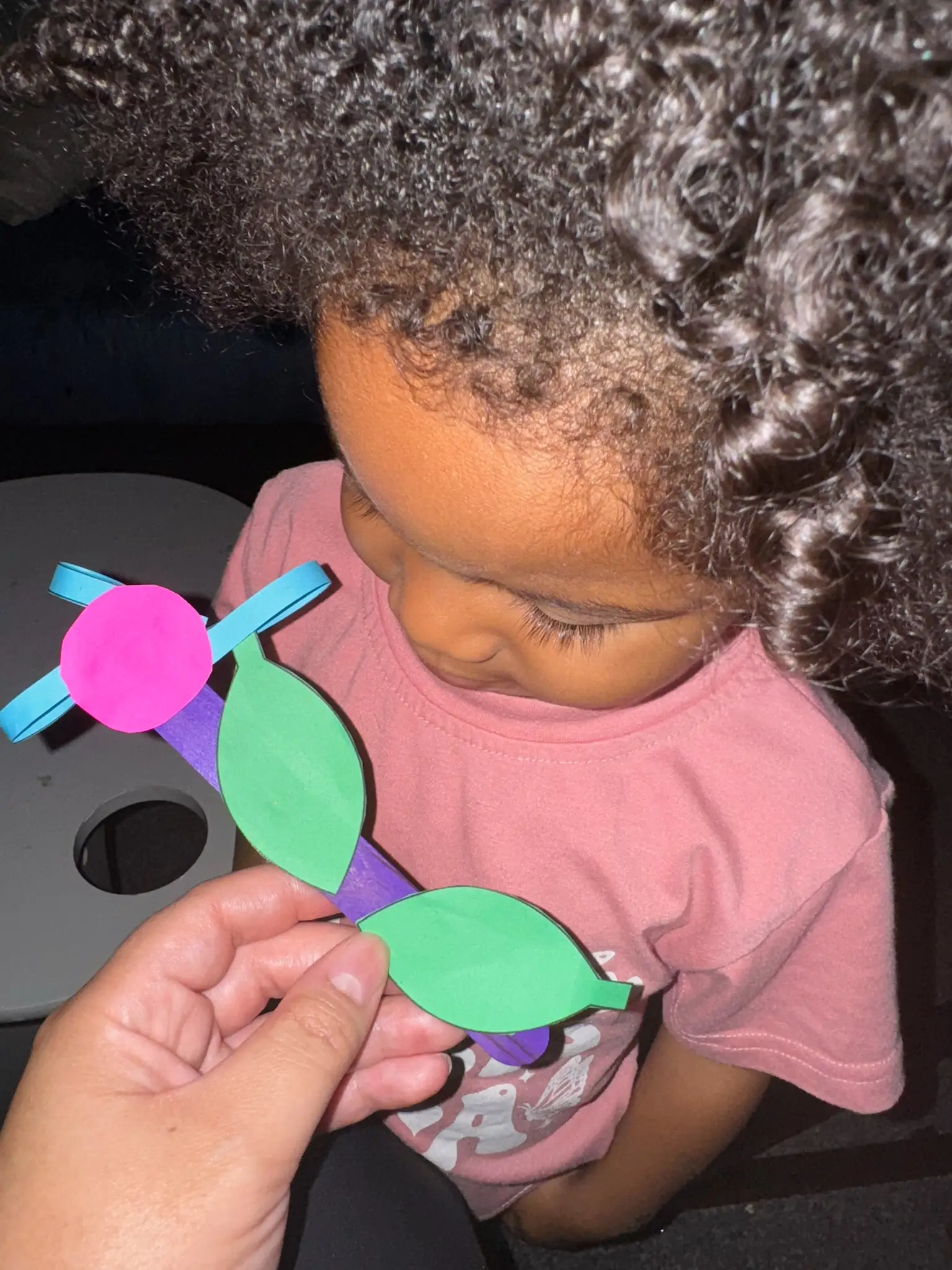
Want to reinforce the concept of photosynthesis? Here’s a free printable activity for ages 2–6.
Even though I wasn’t the one guiding this lesson, I was reminded that giving your kids learning opportunities doesn’t always mean you have to know everything. Sometimes the best thing you can do is create the space—and let someone else (with actual gardening skills) lead the way.
Have you added gardening into your homeschool rhythm? Please, share what’s worked (or what totally flopped!) in the comments.